

I define a loss limit prior to I launch any game. That particular number changes how I manage a losing streak. A loss limit is the most you’re willing to lose in a fixed period, selected while you’re calm, not after a bad beat. At Lizaro Casino, I view it as a hard stop, not a target. It stops me from converting a rough session into a costly chase.
1. Purpose Loss Limits Matter
Without a limit, you decide to stop only after your money’s gone, not before. I establish a loss limit so the determination happens at a scheduled moment. The brain tends to distort a loss into a motive to keep playing, but a documented number cuts through that loop. A limit protects money for rent, food, and bills. It’s a functional boundary, not a moral assessment about gambling.
Loss limits matter even when you like the games. A limit allows you to view gambling as paid entertainment with a definite price. If I forfeit my set amount, I stop without guilt because I previously budgeted for that loss. That diminishes the urge to deposit again. At Lizaro Casino, I combine my personal loss limit with the account’s deposit limits so the boundary stands automatically.
I also use a loss limit to protect tomorrow’s plans. If I waste through too much on Monday, I can’t meet a friend for dinner on Friday. A limit prevents gambling from seizing money meant for other parts of my life. I don’t consider that as a restriction. I view it as keeping my budget honest and my options open.
Four. Using Session Checks and Play Reminders
A play reminder is an on-screen message that appears during play, displaying time played, deposited sums, or stakes. I trust them because the casino world can swallow all track of time. When a message pauses the game, I’m compelled to decide whether to play on or stop. That’s a lot more dependable than depending on my mind or how tired I feel.
Session check periods
I establish play reminder periods some where from 30 to 60 minutes. Short intervals can feel jarring, but that’s the point if I tend to play for hours. A forty-five-minute prompt provides me with adequate time to play without letting the clock slip away. Each time a alert appears, I review my history of deposits also, not just the play timer.
- Establish a 30-minute session check if you habitually play longer than you meant to.
- Choose a 60-minute notification for a more relaxed but still monitored session.
- Every time the message shows, examine your funds put in, losses, and session length.
- Sign out right away if the notification provokes frustration or a unexpected desire to deposit.
I never dismiss a session check by dismissing on autopilot. I review the numbers and compare them with my maximum loss. If I’m near the edge, I stop. That short stop is frequently enough to interrupt the automatic play cycle that drives excessive spending and later guilt.
Session reminders also aid me separate playing and the rest of my day. I set a alert to signal the conclusion of my scheduled gaming session. When it sounds, I shut the window and switch to something prepared, like making a meal or reading. That converts the conclusion of gaming into a normal practice, not a discussion.
3. Setting Deposit and Session Limits at Lizaro Casino
A personal limit only works if the account tools support it. At Lizaro Casino, I adjust deposit limits in the responsible gambling area of my account. These limits span a day, a week, or a month. When you hit a cap, the system stops further deposits. I lean on this tool as a hard outer wall for the loss limit I worked out.
Deposit restrictions
Deposit limits restrict the cash entering your player account over a selected period. I opt for a weekly deposit cap instead of just a monthly one because it stops me from using up the whole allowance in one evening. With a monthly loss allowance of 40 euros, I choose a weekly deposit limit of 10 euros. That makes overshooting the monthly number a lot less common.
How to configure a weekly deposit cap
I open the responsible gambling tools in my Lizaro Casino account, click on deposit limits, and choose a weekly cap of 10 euros. I approve the change and await the confirmation. The cap covers all payment methods. If I use a different provider, the block still activates. I also record the cap into a note on my phone so I notice it before I log in.
I never pursue around multiple payment methods to bypass a deposit limit. Whenever I notice myself hunting for a new provider, I stop and ask why the original cap abruptly seems too tight. A cap is intended to feel restrictive. That hint of frustration is a valuable sign, usually the limit doing its job.
Session time limits
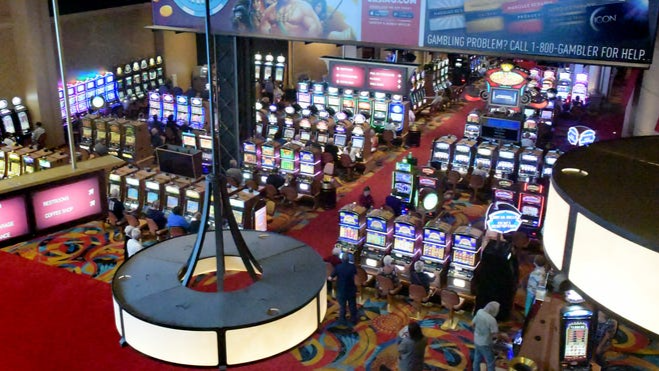
Time limits complement loss limits because long sessions increase the chance to overshoot a budget. I set a one-hour session cap. When the hour’s up, I shut the game down, even if I’m ahead. At Lizaro Casino, I enable any session reminder tool that shows a message after a set interval. That motivates me to pull back and evaluate my mood.
I also establish a daily loss limit that’s tighter than the weekly one. A 5-euro daily cap keeps a single evening from consuming the whole weekly allowance. Once I trigger that cap, the rest of the week is preserved. This setup removes the need for willpower in the heat of the moment; the tools enforce it.
Self-Exclusion as a Last Resort
Self-exclusion is a stronger barrier than a limit. If I notice my limits failing, I can ask Lizaro Casino to block my account for a specific time. That cuts off account access and stops marketing nudges. I treat self-exclusion as a fallback for when gambling gets out of hand. It’s not a punishment; it’s an emergency brake.
Spending caps and self-exclusion play different roles. I lean on a loss limit for everyday budget control. I reach for self-exclusion when I spot repeated broken limits or real mental distress. Confusing them can slow down finding assistance. Delaying for a full-blown crisis only worsens the harm and the damage deeper.
Brief cooling-off periods
I trigger a short cooling-off when I feel the urge to deposit right after a loss. A 24- to 72-hour pause can stop the chase. While it’s running, I can’t access my Lizaro Casino account. I take the opportunity to go over my budget and only return if the original loss limit remains reasonable. Those short breaks often halt a slight stumble from turning into a real problem.
Lengthier self-exclusion and OASIS
When a longer break is necessary, I suggest activating self-exclusion for at least three months. In Germany, you can also register with the OASIS self-exclusion system, which includes all licensed operators. I consider this a significant and responsible action. A longer exclusion puts enough miles between you and gambling to judge whether it can be a regulated activity or must be entirely given up.
I record why I’m self-excluding before I enable it. When the exclusion period is completed, I read that note before I opt to reopen my account. That simple note guards me against the delusion that everything’s fine just because time went by. I follow the same guideline to deposit limits: I adjust one only after a full 24-hour cool-down.
2. Ways to Calculate a Sustainable Loss Limit
I set my loss limit from available income, not from hope. Disposable income is the cash remaining after handling essentials, savings, and debt. I avoid factor in credit cards or overdrafts in this number. The limit should be small enough that losing it doesn’t touch everyday life. I reassess the figure each month because income and expenses shift.
- List all essential monthly costs: housing, utilities, food, transport, insurance, and debt repayments.
- Deduct those costs from your net monthly income.
- Set aside a savings amount before gambling.
- Apply only a small slice of the leftover disposable income as your gambling loss limit.
- Spread that amount across the month or week so one rough session can’t use up all of it.
I never use last month’s winnings to justify raising my limit. Wins aren’t a consistent stream. A sustainable limit remains unchanged even after a hot streak. If I need to adjust it, I wait 24 hours and then confirm if the new number still works with my fixed costs. The aim is to make the limit boring and stable.
Fixed cost method
This method starts with the bills you must pay. I record the exact sums for rent, food, health costs, and debt. Then I factor in a cushion for irregular expenses, like car repairs. The leftover is disposable income. I set aside a small slice of that, usually between five and ten per cent, as my monthly gambling loss allowance. The rest stays free for other fun or savings.
Example calculation
Imagine your net take-home pay is 2,400 euros. Essential costs add up to 1,700 euros. You put 300 euros in savings. Disposable income is 400 euros. Ten per cent of that provides a gambling loss allowance of 40 euros a month. I’d break that into a weekly limit of 10 euros. Losing that tenner stings a little but doesn’t damage your life; losing more isn’t allowed.
Percentage-of-income method
When income bounces around, I switch to a percentage method. I cap the gambling loss limit at one or two per cent of net monthly income. On 2,000 euros net, that’s 20 to 40 euros. This trick adjusts itself when your earnings shift. It also stops a big one-off payment from blowing up a limit that’s hard to sustain later.
Each month, I check whether my necessary costs shifted. Rent, insurance, or debt repayments can creep up. I only adjust the loss limit after the complete new budget is finished, never mid-session. That ensures the number tied to actual bills, not to my mood. A limit that no longer fits your budget can lead you to pursue losses just to fix a number that was wrong from the start.
6. Spotting Warning Signs Early
I monitor small movements in how I manage money and time. Warning signs often emerge before a big loss. They could include daydreaming about gambling at work, hiding deposits, or feeling restless when I’m not playing. I view these signals as data points, not as character flaws. Spotting them early enables me to modify a limit or step away.
- Adding more than your loss limit after a losing session.
- Taking out cash or grabbing a credit card to keep playing.
- Hiding gambling from family or friends.
- Turning grumpy when you can’t log into your casino account.
- Pursuing losses with bigger wagers to claw back money fast.
- Going over your planned session time and clicking past reality checks.
Fiscal warning signs
Financial clues are often easy to measure. I notice repeated deposit tries after hitting a cap, missed bills, or a savings balance that’s steadily declining. If I come to treat gambling funds as a must-pay expense, that’s a bright red flag. A loss limit only applies if I respect it as a hard stop. When money warning signs appear, I reduce the limit right away and get in touch with a counsellor if needed.
Behavioural warning signs
Behavioural flags encompass gambling to escape stress, casino lizaro verantwortungsvolles spiel, fibbing about sessions, or shaping my day around when I can log in. I also stay alert for the sneaky thought that one more deposit will fix earlier losses. That idea is frequent and dangerous. When these patterns show up, I step away from gambling and then talk it through with someone I trust. Moving early beats waiting for a crash.
I also monitor emotional markers: shame, anxiety, or relief that nobody sees my deposit history. If gambling stops being fun and becomes an escape hatch, I consider that a problem. I can reduce a limit even without a financial crisis. The point isn’t to punish myself; it’s to stop gambling from developing into a harmful routine.
7. How to Locate Support in Germany
If loss limits and voluntary exclusion don’t work, qualified support exists. I consider getting in touch with a support service as a sensible step, not a last option. Germany has no-cost, discreet assistance with gambling issues. These resources can aid you review your gambling patterns, set a budget, and resolve the hidden stress, free from judgment.
- BZgA telephone support for gambling issues: 0800 1 37 27 00, free and anonymous.
- Check dein Spiel digital self-help course from the BZgA.
- Local addiction counseling centers (Suchtberatungsstellen) near you.
- Area gambling addiction organizers (Landeskoordinierungsstellen Glücksspielsucht).
- OASIS self-exclusion system for a multi-operator player ban in Germany.
I’d start with the BZgA phone line; it serves the entire country and can point you toward nearby assistance. If calling feels too challenging, the Check dein Spiel program provides you guided digital help. I also advise telling one trusted person about your limits. External help eases the pressure of wrestling every urge alone and helps the limits hold.
Integrating professional help with account controls
Qualified help and account controls work best together. I set a deposit limit at Lizaro Casino and discuss my motivations with a counsellor simultaneously. The cap blocks quick access, and counselling unpacks why the desire persists. That combination is more robust than either alone. I review both each month and modify the account controls when my monetary circumstances evolve.
Relatives and friends
I do not rely on my judgment alone when things get tough with gambling. A dependable friend can help me stay true on a weekly loss cap without running my affairs. I could share my deposit ceiling and ask them to ping me at the end of each weekend. That minor outside review makes the cap feel solid. If I cannot confide in anyone, professional support is the next best option.
When I reach out a counselling service, I have my player account info handy, with deposit and loss records. That offers the therapist a clear view of the pattern. I do not require a perfect explanation. The service accepts you no matter your situation, and placing that initial call often shrinks the fear of losing control.