
Leprosy, also known as Hansen’s Disease, is a chronic infectious disease caused by the bacterium Mycobacterium leprae. The condition primarily affects the skin, peripheral nerves, nasal lining, and eyes. One of the earliest and most characteristic signs is loss of sensation. If left untreated, this nerve damage can lead to injuries, secondary infections, and long-term disabilities.
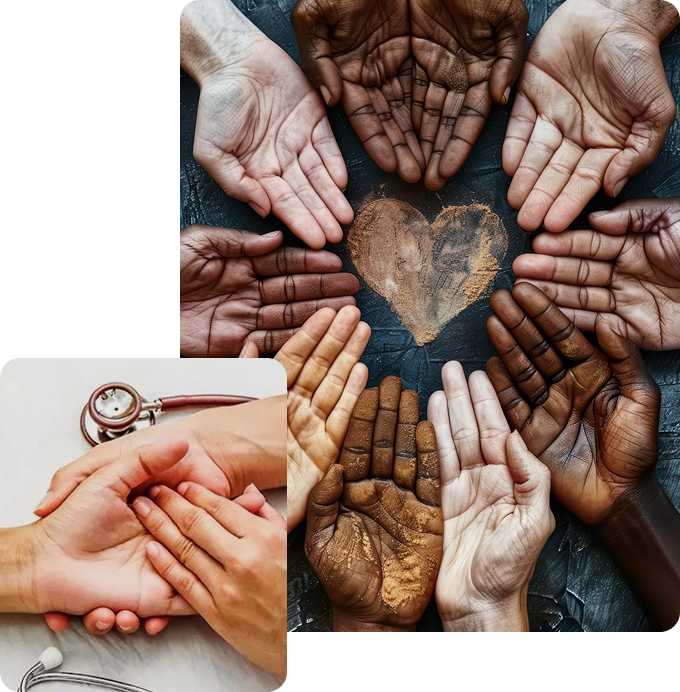
For centuries, leprosy was associated with fear, isolation, and misunderstanding.
In Sri Lanka:
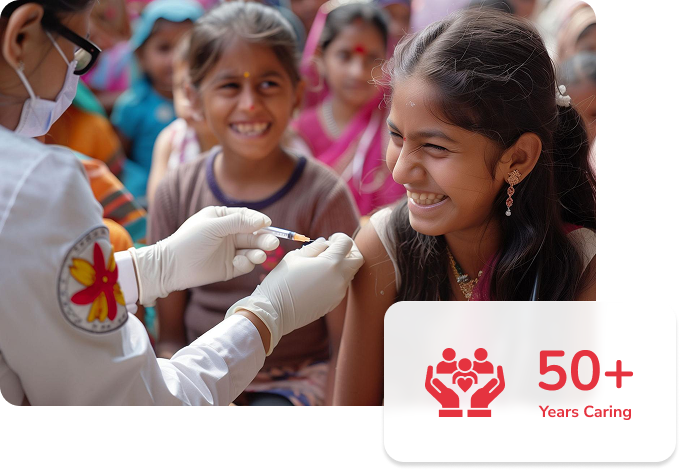
Sri Lanka’s Anti-Leprosy Campaign, leprosy clinics, and government hospitals provide free diagnosis and treatment nationwide. While Leprosy is only mildly infectious, it spreads similarly to the common flu through prolonged, close, untreated exposure — not by casual contact.
It does NOT spread through:
People become non-infectious within 48–72 hours of starting treatment.
In Sri Lanka, Multi-Drug Therapy (MDT) is provided free of charge at all government hospitals and designated leprosy treatment centers. MDT is highly effective in stopping the infection, preventing disability, reducing community transmission, and enabling individuals to return to their normal lives. With timely treatment, patients become non-infectious within days and can fully recover.
Despite advances in diagnosis and treatment, many communities in Sri Lanka still fear leprosy due to outdated myths and misconceptions. This lack of awareness can result in delayed diagnosis, avoidable disabilities, social exclusion, family hesitation to seek help, and undetected cases within the community. Accurate information is essential for promoting early detection, enabling community-based rehabilitation, restoring dignity, and supporting the full social reintegration of leprosy-affected persons.
Leprosy is most often diagnosed through visible clinical signs, which trained health workers can easily identify without laboratory tests. Common symptoms include light or reddish skin patches with loss of sensation, numbness or tingling in the hands or feet, painless wounds or burns due to nerve damage, muscle weakness, and nodules or thickened skin. When detected early, leprosy is completely curable, and long-term disability can be fully prevented.
Your generosity creates a Sri Lanka where no leprosy-affected person is marginalized.
With your help, SUROL can: